Get A Quote
BIS Certification for Steels for cold heading/cold extrusion applications – specification Part 2 Stainless steel IS 11169 (Part 2): 1989
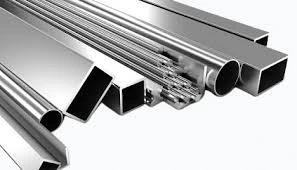
The BIS
Certification for Steels used in Cold Heading and Cold Extrusion Applications –
Specification Part 2 Stainless Steel IS 11169 (Part 2): 2023 is all about
making sure that the stainless steel meets strict quality and safety standards
for creating precise components. This certification not only confirms that the
steel is ideal for cold heading and extrusion processes, but it also guarantees
durability and reliability in the finished products.
For manufacturers aiming to obtain the BIS Certification for these types of steels, it’s essential to comply with BIS requirements regarding composition, mechanical properties, and testing. This way, they can ensure they’re using high-performance materials suited for industrial applications. If you need help navigating the certification process, feel free to reach out for expert guidance.
Introduction
Getting BIS Certification for steels used in cold heading and cold extrusion processes—specifically, Part 2 of the Stainless Steel IS 11169 (Part 2): 2023—is essential for ensuring the quality and safety of stainless steel used in these manufacturing methods. Under the Steel & Steel Products (Quality Control) Order, 2024, adherence to this standard guarantees that the materials are durable, strong, and reliable. This certification also confirms that the products meet Indian regulatory requirements, boosting their credibility in the market. For manufacturers aiming for market approval, securing BIS Certification for Steels for cold heading/cold extrusion applications – specification Part 2 Stainless steel IS 11169 (Part 2): 2023 goes beyond helpful but mandatory.
Why is BIS certification necessary for Steels for cold
heading/cold extrusion applications – specification Part 2 Stainless steel IS
11169 (Part 2): 1989?
When it comes to Steels for cold heading/cold extrusion applications – specification Part 2 Stainless steel IS 11169 (Part 2): 2023, having BIS certification is key. This certification not only ensures that these steels meet tough quality and safety standards, but it also guarantees their reliability and strength. Plus, it ensures that they comply with Indian regulations, making it a must-have for manufacturers. With BIS certification, consumer trust is bolstered, market acceptance is simplified, and the risk of substandard materials making their way into the industry is greatly reduced. For businesses looking to navigate regulatory challenges and achieve sustainable growth in the competitive steel sector, BIS Certification for Steels for cold heading/cold extrusion applications – specification Part 2 Stainless steel IS 11169 (Part 2): 2023 is absolutely critical.
Overview of Indian Standard IS 11169 (Part 2): 1989
IS 11169 (Part 2): 2023 sets the standard for stainless steels used in cold heading and cold extrusion tasks, ensuring they perform reliably and last long. This guideline spells out the necessary chemical makeup, mechanical properties, and the testing procedures needed to comply with safety and reliability regulations. BIS Certification for Steels for cold heading/cold extrusion applications – specification Part 2 Stainless steel IS 11169 (Part 2): 2023 is a must-have for manufacturers looking to meet Indian regulatory standards, ensuring their products are dependable and consistent. Earning BIS certification is a way to show they meet quality benchmarks, which boosts confidence and trust in the marketplace.
Process for BIS Certification
The BIS certification process for Steels for cold heading/cold extrusion applications – specification Part 2 Stainless steel IS 11169 (Part 2): 2023 involves multiple steps designed to thoroughly evaluate a product's compliance with the required standards. Here is a general overview of the certification process:
1. Application Submission: Manufacturers must submit an application form
along with the required documentation to BIS.
2. Documentation Review: BIS reviews the submitted documents to ensure
completeness and correctness.
3. Factory Inspection: BIS officials conduct an on-site inspection of
the manufacturing facility to assess the production process and quality control
measures.
4. Sample Testing: Product samples are taken and tested in BIS-approved
laboratories to verify compliance with Indian standards.
5. Certification Grant: Upon successful completion of the inspection and
testing, BIS grants certification, allowing the manufacturer to use the BIS
mark on their products.

Documents Required for BIS Certification
To apply for BIS certification, manufacturers need to submit the following documents:
● Application form
● Manufacturing process details
● Quality control plan
● Test reports from BIS-approved laboratories
● Factory layout and equipment details
● Proof of business registration
● Product specifications and technical details
● Declaration of conformity to Indian standards
Additionally, manufacturers may be required to provide proof of compliance with environmental and safety regulations, depending on the specific type of product being certified.
BIS ISI Mark Certification Costing And Timeline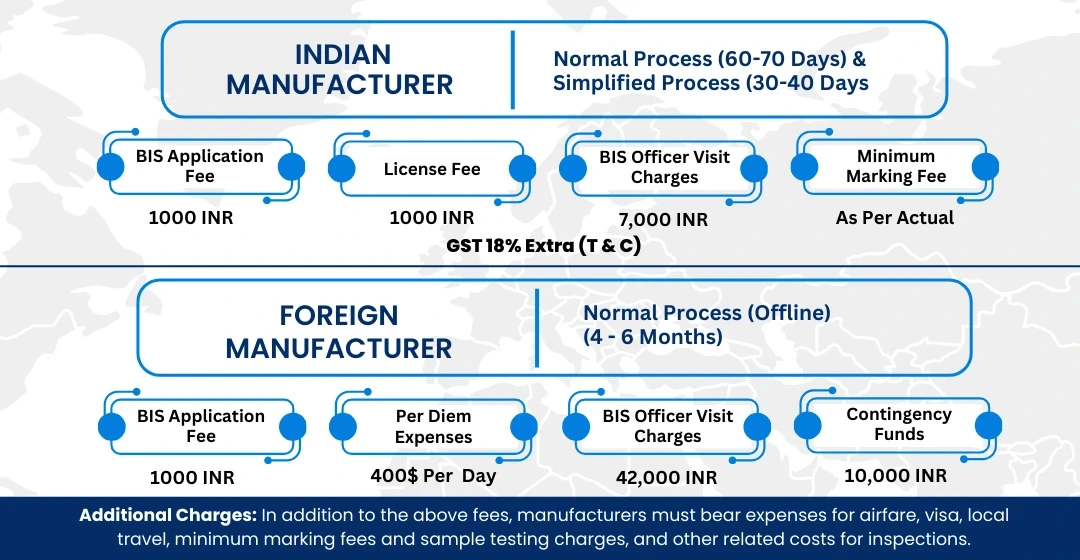
To Know The Process in Detail, Please Visit:
Under BIS Registration Products ISI and CRS
Conclusion
Getting BIS Certification for Steels used in cold heading and cold extrusion applications – specification Part 2 Stainless steel IS 11169 (Part 2): 2023 is essential for manufacturers aiming to meet Indian quality and safety standards. This certification assures that the stainless steel used in the cold heading and extrusion processes meets necessary mechanical and chemical properties, boosting product reliability and market acceptance. At EVTL India, we focus on providing specialized consultancy services to simplify the BIS certification journey, guiding businesses through the regulatory maze with confidence. Our team takes care of all the necessary documentation, coordinates testing, and offers compliance support, helping manufacturers secure their certification without a hitch. By obtaining BIS Certification for Steels for cold heading/cold extrusion applications – specification Part 2 Stainless steel IS 11169 (Part 2): 2023, companies can build product credibility, gain a competitive advantage, and ensure they align with national standards. Team up with EVTL India for a smooth certification experience and effective regulatory compliance solutions.
Free Call Back
Latest News & Update
📅 BIS Critical Component List (CCL) Updates for Solar PV Modules
🕒 BIS Fee Concessions for MSMEs and Startups | EVTL India
📅 Guidelines for Implementation of Essential Requirements for Security of CCTV
🕒 Omnibus Technical Regulation (OTR) Amendment Order, 2025
🕒 Extension of Timeline for Filing Annual Returns by Battery Producers
📅 Extension of Timeline for Filing Quarterly and Annual Returns for E-Waste
🕒 Extension of Concurrent Running Period for IS 302-1: 2008 and IS 302 (Part 1): 2024
🕒 BIS Guidelines for Grant of Licence (GoL) | EVTL India
📅 CPCB Guidance on filing of Application, Fees and more
🕒 CPCB Notification on Labelling of Plastic Packaging
📅 Mandatory Compliance for Input Materials of Steel and Steel Products for Imports
🕒 BIS Guidelines for Scheme-X Certification for OTR-Regulated Products
📅 BIS Upgrades Product Certification License Numbers to 10-Digit Series
🕒 BIS Certification No Longer Mandatory for 14 Chemical & Polymer Categories
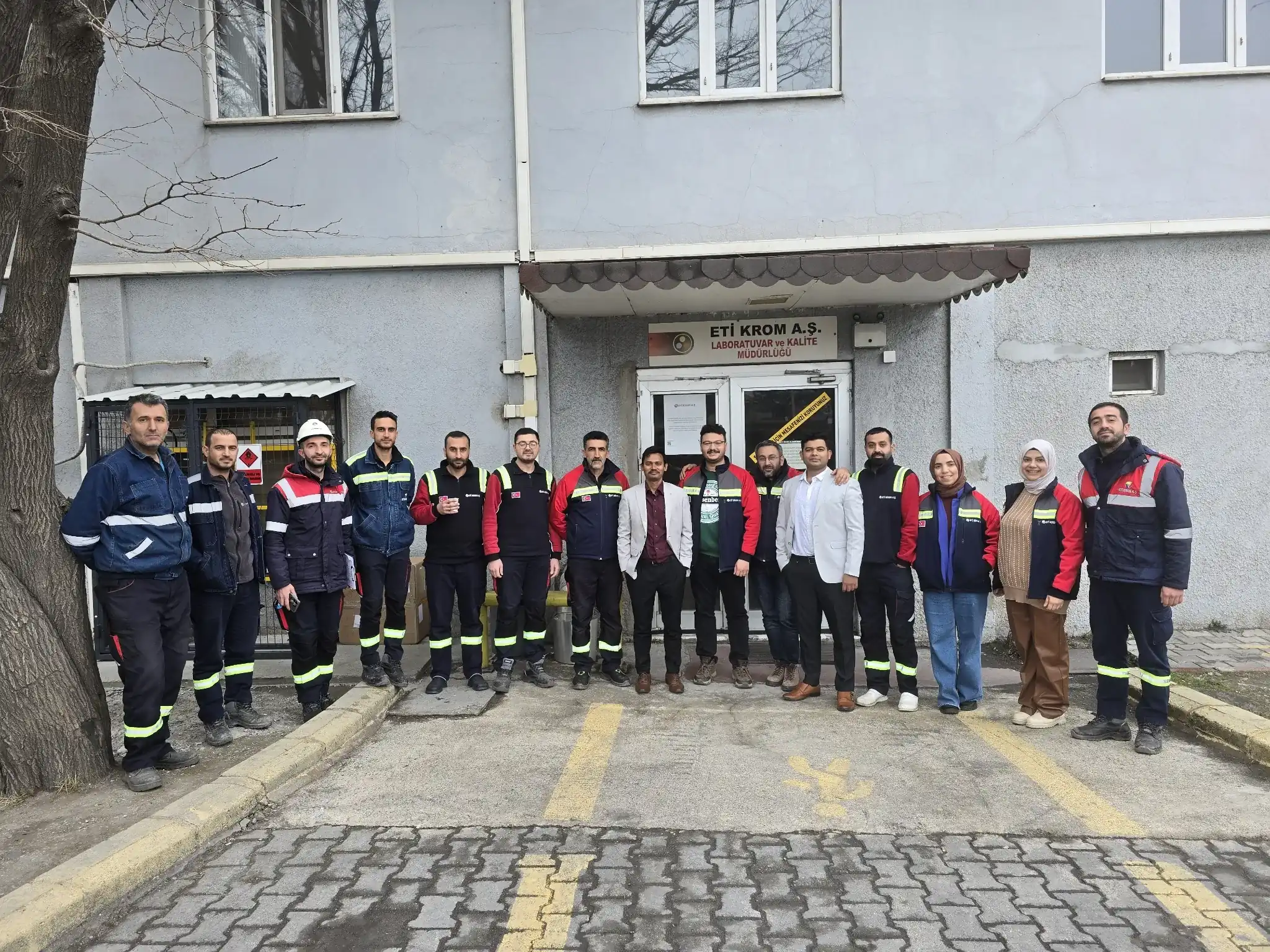
Turkey
Indonesia
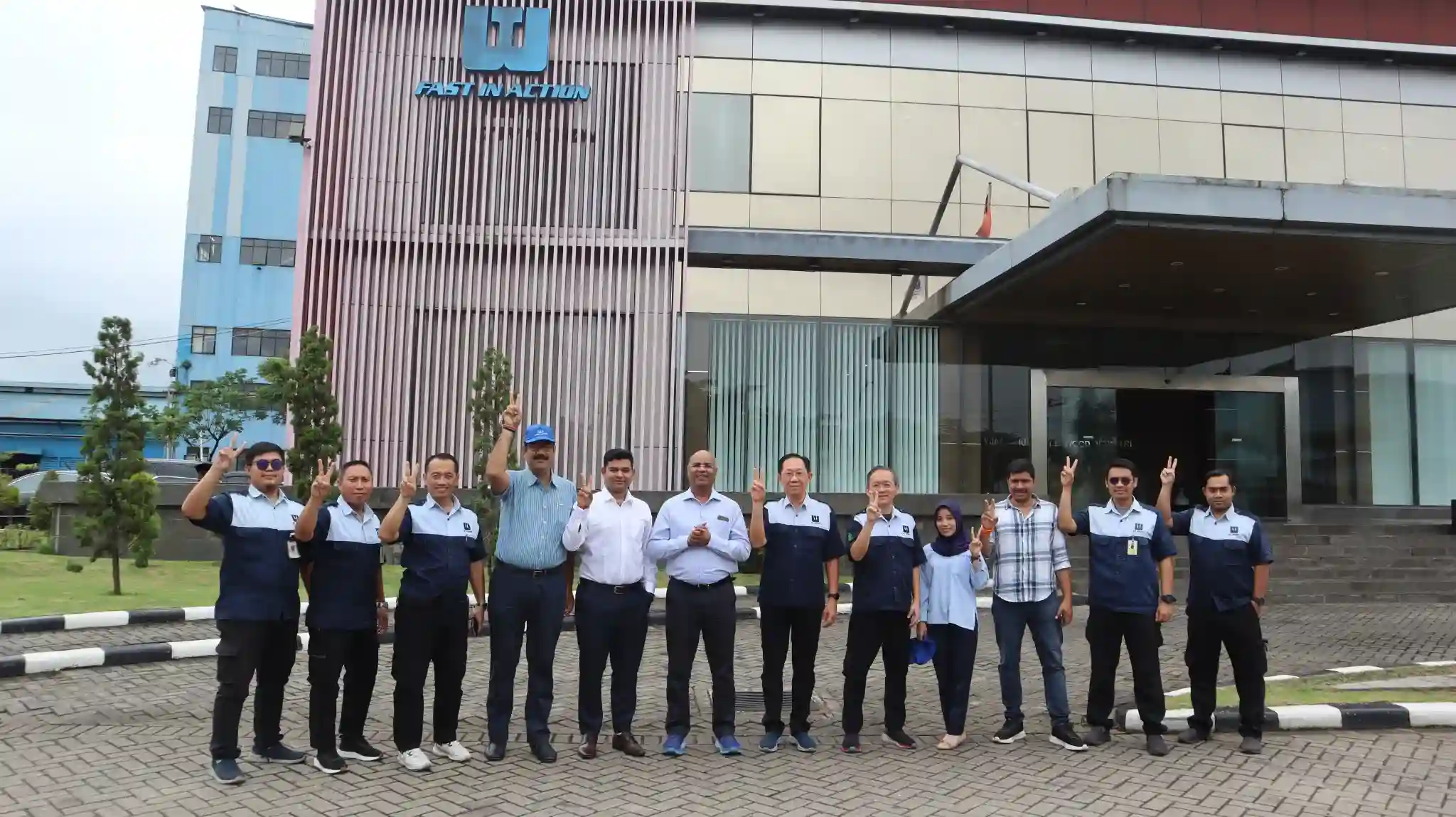
Indonesia
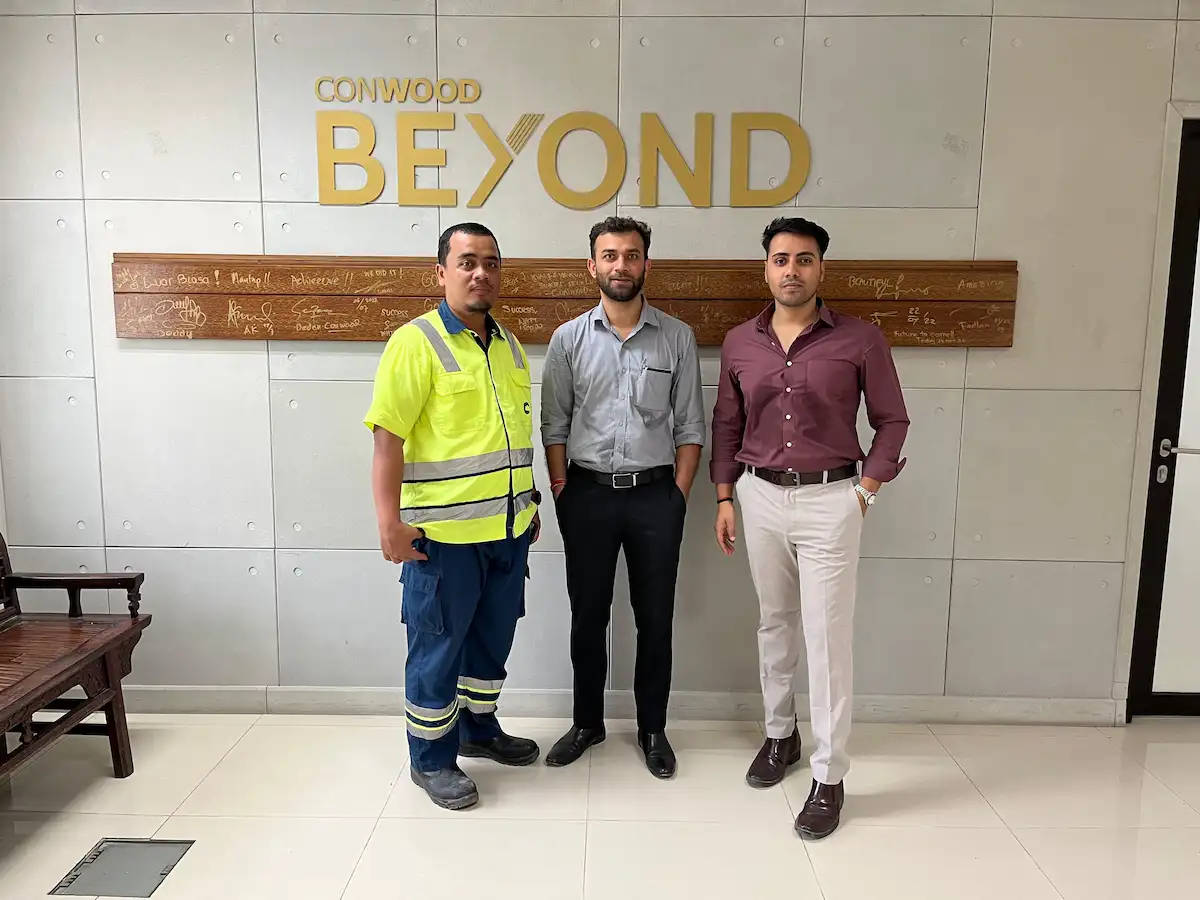
Thailand

Thailand

Thailand

Vietnam

Malaysia
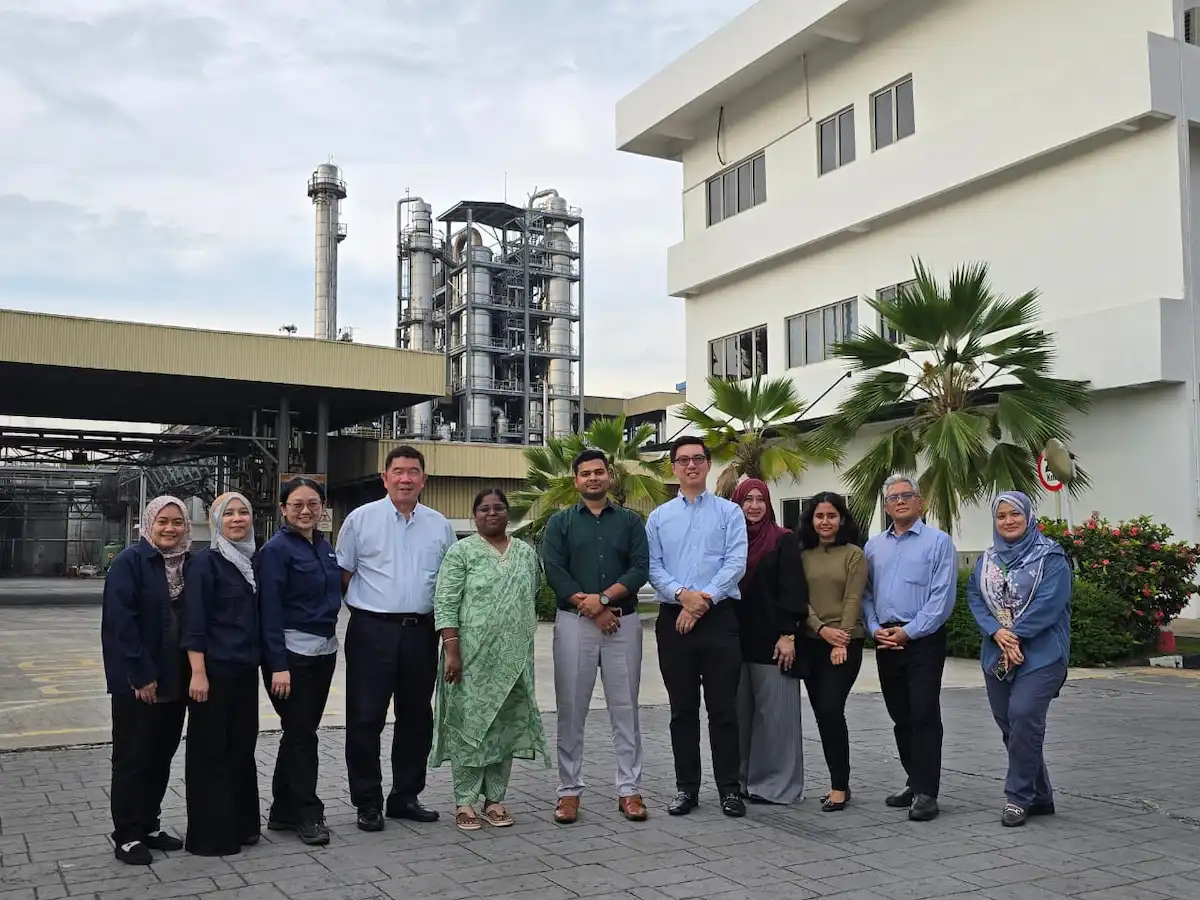
Thailand
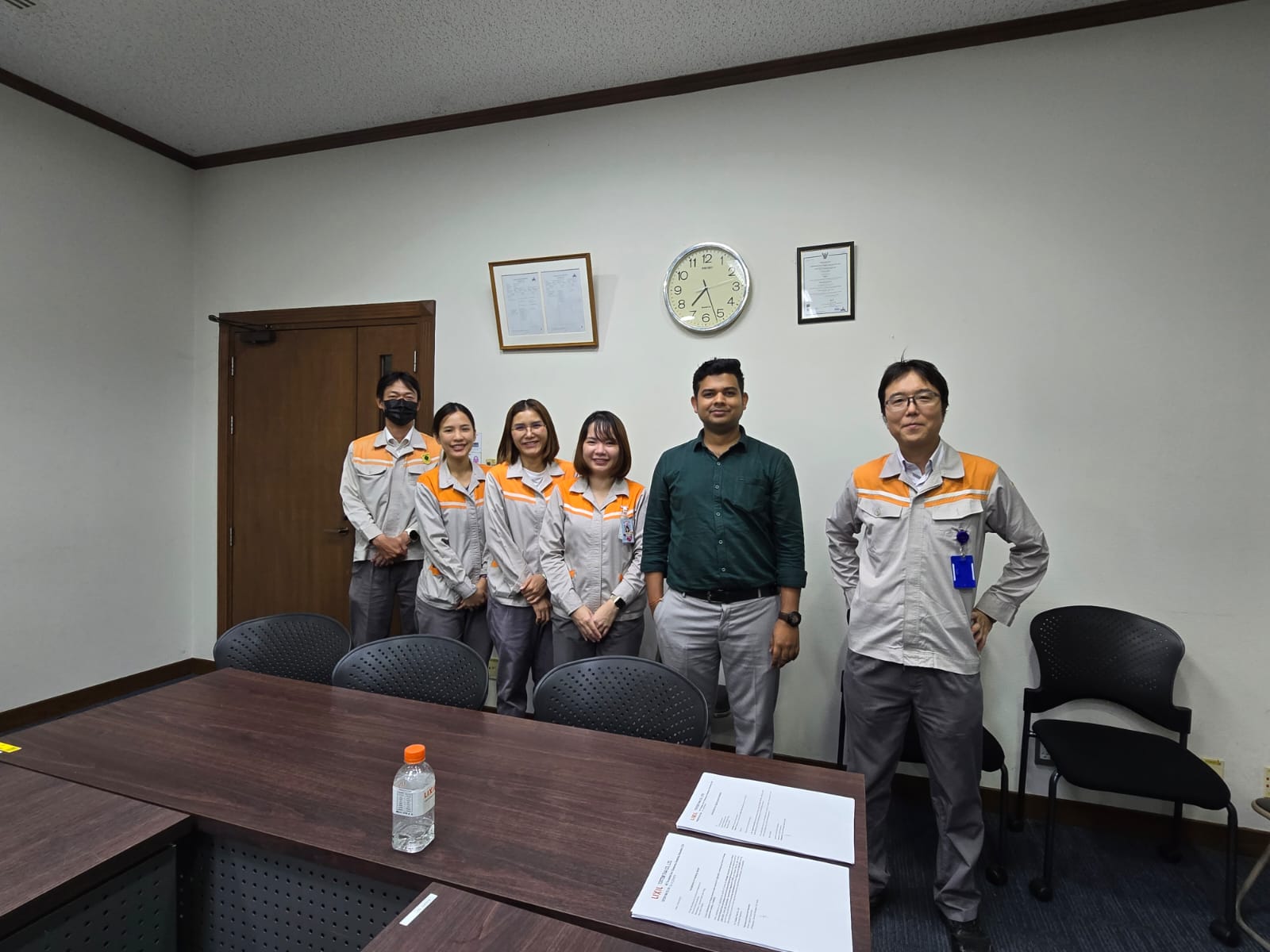
Korea

Thailand
Bangladesh
Malaysia
Thailand
Malaysia
Why Choose EVTL INDIA
Expertise in Indian Regulatory Standards
End-to-End Support
Trusted by Top Indian & Global Brands
Fast Processing & Transparent Pricing
Strong Liaison with Indian Authorities
Company Profile