Get A Quote
BIS Certification for Cast Iron Detachable Joints IS 8794

Cast Iron Detachable Joints are mostly used in the water supply, drainage and pipeline systems to give links between the pipes and to easily dismantle them to carry out maintenance and repair. These connections are important in providing leak-free connections and durable pipelines.
BIS Certification for Cast Iron Detachable Joints as per IS 8794 assures that the products are in compliance with the Indian Standards on material quality, mechanical strength, dimensional accuracy, and performance. The BIS License will ensure that the detachable joints are safe, durable and can be used in the public utility and industrial pipeline networks.
Understanding ISI Mark Certification
Conformity to the relevant Indian Standards is indicated by the ISI Mark Certification by the Bureau of Indian Standards (BIS). In the case of Cast Iron Detachable Joints, the ISI certification guarantees that the products are in line with the IS 8794 by testing the products, inspection in the factory and constant surveillance.
BIS performs periodic audits of certified manufacturing units in order to ensure consistency in raw materials, casting operations and quality assurance. In India, ISI-marked detachable joints enjoy a broad acceptance in the municipal authorities, infrastructure developers and water supply departments.
Why manufacturers need ISI Mark Certification
Below are the key reasons mentioned why manufacturers need ISI Mark Certification for Cast Iron Detachable Joints:
- Regulatory Compliance : Ensures lawful manufacturing, sale, and supply by meeting all applicable BIS Quality Control Orders.
- Market Acceptance : Rises in favor of the municipal authorities, infrastructure developers, and government agencies.
- Leak-Proof Performance : Ensures safe and robust joints that are non-leaky and that the pipes stand.
- Tender Eligibility : Ensures safe and robust joints that are non-leaky and that the pipes stand..
- Brand Credibility : Enhances trusts and confidence in the buyers, contractors and regulatory authorities.
IS 8794 technical parameter requirements
IS 8794 is important because it ensures that cast iron detachable joints installed in the water supply and pipeline systems must be safe, reliable and able to withstand the service conditions without collapsing. The standard is a material provided on grade of cast iron, mechanical strength, and soundness to maintain structural integrity.
It determines dimensional tolerance, bolt hole accuracy and joint fitment and easy installation. The IS 8794 also recommends hydrostatic pressure, leakage resistance tests to check their performance under working conditions. Surface finish, protective coating, corrosion resistance, marking, packing, and ISI labeling requirements are provided to increase durability, traceability, and service life.
BIS Registration Documentation Essentials
The following documents are necessary for Domestic Manufacturers:
- List of raw material
- Layout plan of the factory premises
- List of testing equipment as per the Indian standard
- Quality Control (QC) Personnel Details (Education degree and Aadhaar card)
- GST
- Authorized Person Aadhar & Pan Card
- MSME
- Electricity Bill
- Email Address & Permanent Contact Number
- Office Address
- Factory Address
- Copy of Partnership Deed / MOA (for Private Limited Co.)
- Premises document / Rent Agreement
- List of Manufacturing Machinery
The following documents are necessary for Foreign Manufacturers:
- Checklist for Application
- Copy of Swift Remittance
- Duly Filled Application Form
- Copy of Business License
- List of Machinery
- List of Raw Material
- Test certificate of Raw Material
- List of Testing Equipment
- Calibration certificate of Test Equipment
- Process Flowchart
- Layout Plan
- Location Plan (Route Map)
- Details of Technical Personnel
- Qualification of QC
- Copy of Certification of Product and/ System
- Factory Test Report
- Agreement with AIR
- Aadhar Card of AIR
- AIR Nomination Form
- Educational Degree of AIR
- Undertakings
- Scope of License
Steps for manufacturers to obtain BIS Certification
There are two key procedures to get your BIS license: Simplified and Normal.
Simplified Procedure
The steps involved in the simplified procedure are:
- Document Collection : All the necessary KYC and technical documents are collected in order to start the BIS application without problems.
- BIS Portal Registration : The license application is processed by the manufacturer being registered on the official portal of BIS.
- Pre-Testing of Samples : Before submission, product samples are tested in a BIS authorized laboratory.
- In-House Lab Requirement : Depending on the product, an internal laboratory facility might be necessary according to the BIS requirements.
- BIS Review & Clarifications : BIS examines the submissions of documents and test reports and may request clarification.
- BIS Audit at Factory : The audit of the product samples carried out by the BIS inspectors is done at the factory.
- Timely Audit Completion : The audit, inspection and sample collection are conducted within 17 days of the application submission along with the EVTL India engineer.
- EVTL India Engineer- Factory Inspection : The BIS auditor and an engineer at EVTL India undertake a proper inspection at the factory.
- Independent Collection of Samples : The BIS auditor draws samples to be tested by the post-audit.
- Sample Testing at BIS Lab : BIS sealed samples are sent to BIS laboratories, and the BIS department pays the price of testing.
- Grant of BIS License : Upon satisfactory document inspection, testing and audit, ISI license is issued.
Normal Procedure
The steps involved in the normal procedure are:
- Submit Documents : Firstly, it is required to submit all the KYC and technical documentation to start the BIS application.
- Plan In-House Laboratory and Technical Proposal : Prepare an internal lab in case necessary and prepare all technical documentation.
- Ready Factory Test Report (FTR) : Carry out in-house tests and document the FTR to demonstrate that the product is to the standards.
- Submit Application & Fees : Includes your BIS application and the amount of fees necessary by the government.
- BIS Audit : An audit of documents and processes at a BIS takes place within 3 weeks.
- EVTL India Engineer Factory Inspection : BIS auditor inspects the factory with an EVTL India engineer to make sure that everything is in order.
- Sample Collection & Sealing : The BIS auditor picks samples randomly, puts them into a sealed sample and forward the sample to a BIS authorized lab to be tested.
- License Approval : After the lab tests of the sample are passed-on, BIS issues the ISI license, and your product is certified and market-ready.
BIS Approval time details
According to IS 8794, a BIS license for Cast Iron Detachable Joints is expected to take:
For Simplified Procedure (Indian manufacturers)
Average 40-45 days
For Normal procedure
- For Indian Manufacturers : 50-60 days
- For International Manufacturers : Approximately 180 days
Why EVTL India leads the industry in BIS Approval?
EVTL India is a reputable BIS consultant for Cast Iron Detachable Joints, with a good mastery of certification of pipeline fittings and cast iron products. Their group handles the end-to-end documentation, BIS portal filing and coordination with BIS-approved laboratories.
EVTL India offers technical advice in quality control systems and factory audit preparation. Having a profound understanding of regulations, they assist manufacturers in gaining faster approvals, as well as preventing delays in the process of compliance.
Conclusion
BIS Certification for Cast Iron Detachable Joints as per IS 8794 is necessary to manufacturers and suppliers of water supply, drainage and infrastructure projects in India. Certification gives a guarantee of regulatory conformity, dependability of the product and durability.
BIS certification process can be simplified, approval times can be cut short and businesses can be sure to supply Indian infrastructure projects with cast iron detachable joints marked by ISI with professional assistance of EVTL India.
Frequently Asked Questions (FAQs)
1. Are Cast Iron Detachable Joints in India BIS certified?
Yes, BIS certification according to IS 8794 is obligatory according to the relevant Quality Control Orders.
2. Who is eligible to certify BIS according to IS 8794?
Indian manufacturers may make direct applications, whereas foreign manufactures should have an Authorized Indian Representative (AIR).
3. What are the tests that are made as per IS 8794?
There are tests that involve dimensional test, hydrostatic pressure test, leak test and material strength test.
4. Is it possible to have foreign manufacturers being certified using BIS?
Yes, a foreign manufacturer is allowed to apply via an Authorized Indian Representative appointed by BIS.
5. Should ISI marking be required following certification?
Yes, ISI marking of the product will be mandatory following BIS certification.
Free Call Back
Latest News & Update
📅 BIS Critical Component List (CCL) Updates for Solar PV Modules
🕒 BIS Fee Concessions for MSMEs and Startups | EVTL India
📅 Guidelines for Implementation of Essential Requirements for Security of CCTV
🕒 Omnibus Technical Regulation (OTR) Amendment Order, 2025
🕒 Extension of Timeline for Filing Annual Returns by Battery Producers
📅 Extension of Timeline for Filing Quarterly and Annual Returns for E-Waste
🕒 Extension of Concurrent Running Period for IS 302-1: 2008 and IS 302 (Part 1): 2024
🕒 BIS Guidelines for Grant of Licence (GoL) | EVTL India
📅 CPCB Guidance on filing of Application, Fees and more
🕒 CPCB Notification on Labelling of Plastic Packaging
📅 Mandatory Compliance for Input Materials of Steel and Steel Products for Imports
🕒 BIS Guidelines for Scheme-X Certification for OTR-Regulated Products
📅 BIS Upgrades Product Certification License Numbers to 10-Digit Series
🕒 BIS Certification No Longer Mandatory for 14 Chemical & Polymer Categories
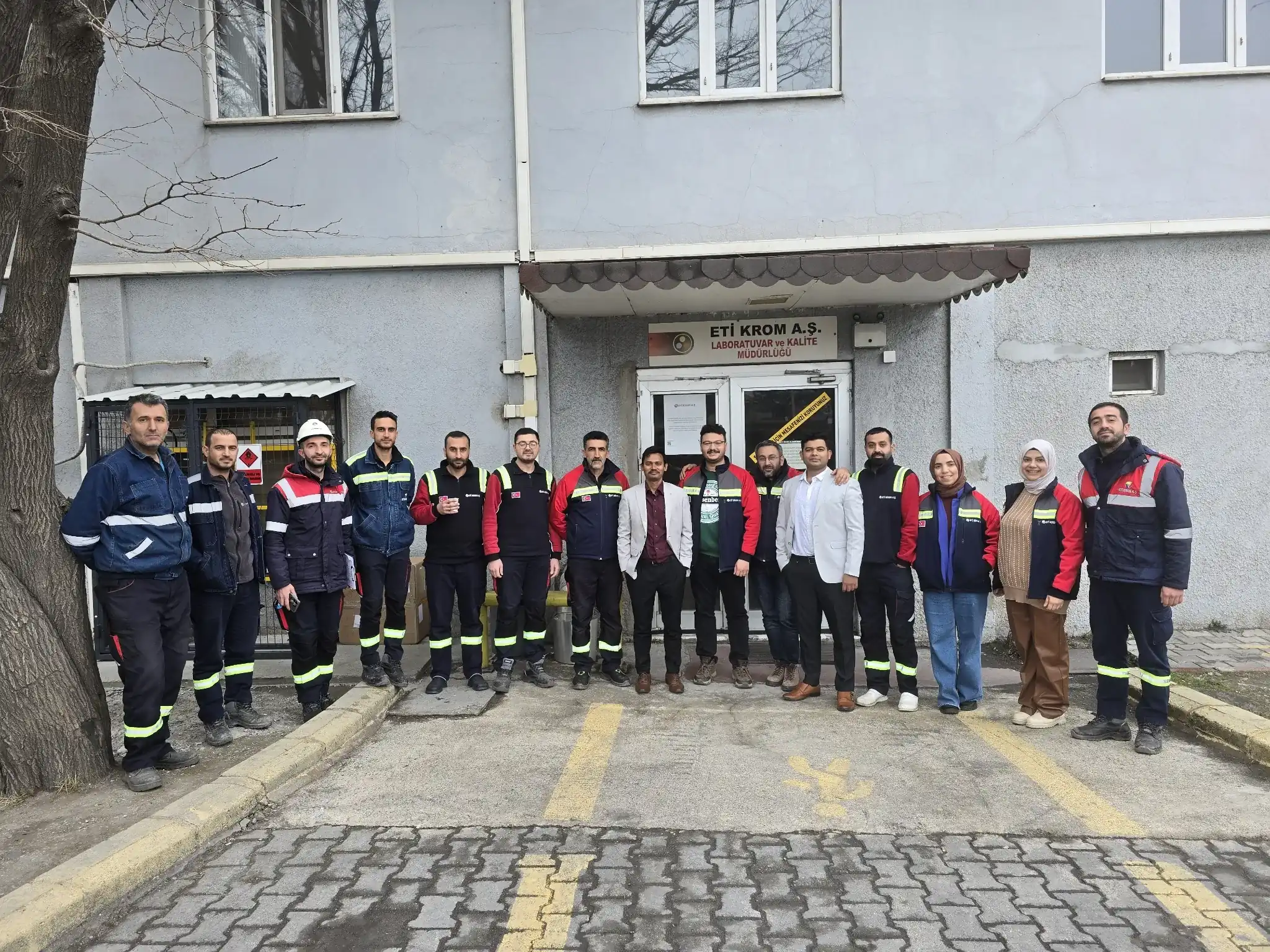
Turkey
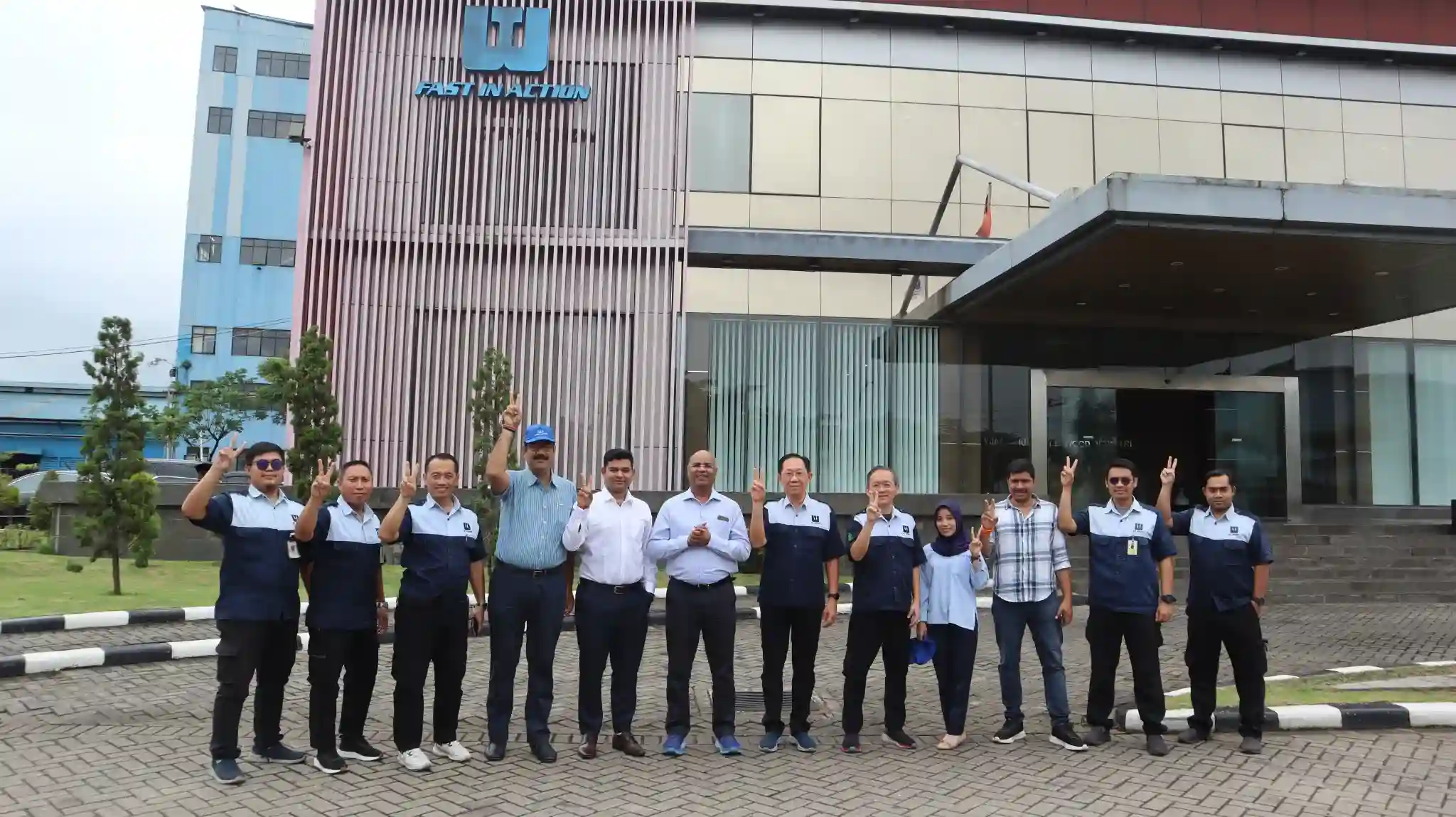
Indonesia
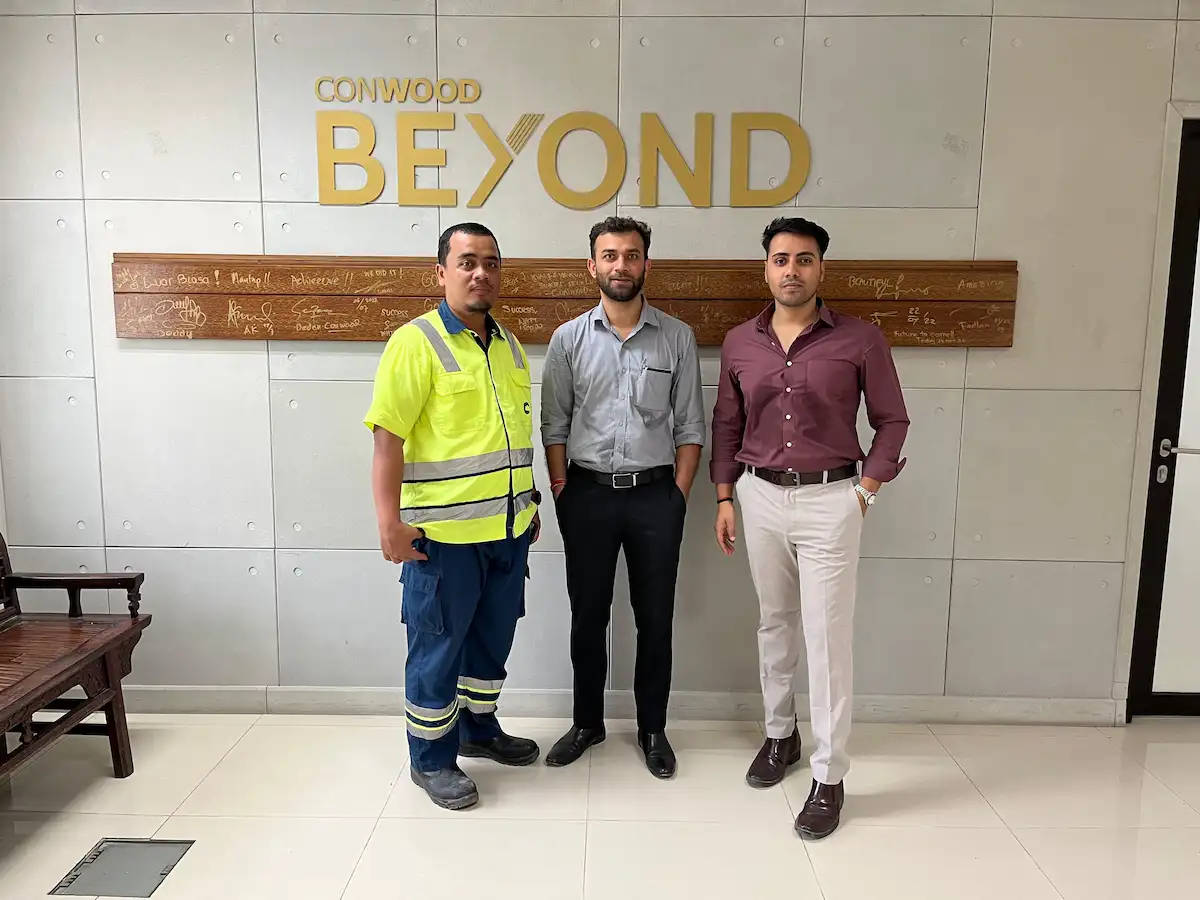
Indonesia
Thailand

Thailand

Thailand

Vietnam

Malaysia
Thailand
Korea

Thailand
Bangladesh
Malaysia
Thailand
Malaysia
Why Choose EVTL INDIA
Expertise in Indian Regulatory Standards
End-to-End Support
Trusted by Top Indian & Global Brands
Fast Processing & Transparent Pricing
Strong Liaison with Indian Authorities
Company Profile