Get A Quote
BIS Registration for Sealed Secondary Batteries Cells (Lithium-Ion Battery) IS 16046 (Part 2 ):2018
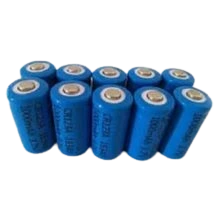
BIS Certification for sealed secondary battery products is a mandatory regulatory requirement in India for manufacturers and importers dealing with rechargeable batteries, especially lithium-ion batteries. With the rapid growth of electronics, electric vehicles, power banks, and energy storage systems, the Indian government has made compliance under the Bureau of Indian Standards (BIS) essential to ensure safety, quality, and consumer protection.
This article provides an in depth, authoritative, and practical explanation of bis certification for sealed secondary battery, bis certification for Lithium-Ion Battery, BIS CRS for Lithium-Ion Battery, and the applicable Indian Standard IS 16046 (Part 2):2018. It is designed to be more comprehensive, clearer, and more actionable than the top existing search results.
What is BIS Certification for Sealed Secondary Batteries?
BIS Certification for sealed secondary battery refers to mandatory registration under the Compulsory Registration Scheme (CRS) of BIS for rechargeable batteries that are sealed and designed for repeated charging and discharging. These batteries are widely used in:
- Mobile phones and laptops
- Power banks
- Bluetooth devices and wearables
- Electric vehicles (EVs)
- Energy storage and backup systems
Sealed secondary batteries, particularly lithium-ion batteries, pose safety risks such as overheating, fire, and explosion if not manufactured according to strict standards. Therefore, BIS certification ensures that only compliant and tested batteries are allowed in the Indian market.
BIS Certification of Lithium-Ion Battery: Why is it Necessary?
BIS Certification for Lithium-Ion Battery is compulsory before manufacturing, importing, selling, or distributing lithium-ion batteries in India. Lithium-ion batteries fall under the BIS CRS due to their widespread use and potential hazards.
Without BIS registration:
- Import consignments can be detained or rejected
- Products can be banned from sale
- Heavy penalties and legal action may be imposed
- Brand reputation can suffer irreversible damage
Obtaining BIS certification not only ensures legal compliance but also improves market acceptance, customer trust, and long term business sustainability.
BIS CRS for Lithium-ion battery: Regulatory Framework Explained
BIS CRS for Lithium-Ion Battery operates under the Compulsory Registration Scheme introduced by the Ministry of Electronics and Information Technology (MeitY). Under this scheme, manufacturers must register their products with BIS based on successful testing from a BIS recognized laboratory.
Key features of BIS CRS for lithium-ion batteries include:
- Product wise registration (each model requires separate approval)
- Factory specific registration (approval is linked to manufacturing location)
- Mandatory testing as per Indian Standards
- Ongoing compliance and surveillance by BIS
Once approved, the manufacturer is permitted to use the BIS Standard Mark with a unique Registration Number (R-Number).
Key Applicable Standard: IS 16046 (Part 2) : 2018
The core standard governing lithium-ion batteries in India is IS 16046 (Part 2):2018.
Overview of IS 16046 (Part 2):2018
IS 16046 (Part 2):2018 specifies safety requirements for secondary lithium cells and batteries intended for use in portable applications. This standard is harmonized with international IEC standards and focuses on minimizing risks under both normal and abnormal operating conditions.
Key Safety Tests Under IS 16046 (Part 2):2018 :
- Overcharge test
- External short circuit test
- Thermal abuse test
- Crush and impact test
- Forced discharge test
- Vibration and shock test
- Drop test
Only batteries that successfully pass all prescribed tests are eligible for BIS certification.
Scope of Products Covered
BIS certification under IS 16046 (Part 2):2018 applies to:
- Lithium-ion cells
- Lithium-ion battery packs
- Polymer lithium batteries
- Sealed secondary rechargeable batteries
The certification is mandatory irrespective of whether the batteries are sold individually or integrated into electronic products.
Step-by-Step Process for BIS Certification for Sealed Secondary Battery
Step 1: Product Identification :
Identify whether your battery falls under bis certification for sealed secondary battery and confirm applicability of IS 16046 (Part 2):2018.
Step 2: Documentation Preparation :
Key documents include:
- Manufacturer details
- Factory address and layout
- Quality control measures
- Technical specifications
- Authorization documents (for foreign manufacturers)
Step 3: Testing at BIS-Recognized Lab
Samples are submitted to a BIS recognized laboratory for testing as per IS 16046 (Part 2):2018.
Step 4: Online Application Submission
Application for BIS CRS for Lithium-Ion Battery is submitted on the BIS portal along with test reports and documents.
Step 5: BIS Review and Grant of Registration
BIS reviews the application and, upon satisfaction, grants BIS Registration allowing use of the BIS Standard Mark.
Timeline and Validity
- Typical timeline: 4–6 weeks (subject to documentation and testing readiness)
- BIS registration validity: 2 years
- Renewal: Required before expiry to maintain compliance
Common Challenges in BIS Certification for Lithium-Ion Battery
- Failure in safety testing
- Incomplete or incorrect documentation
- Delays in lab testing slots
- Non-compliance with marking requirements
- Coordination issues for foreign manufacturers
These challenges highlight the importance of proper technical understanding and structured compliance planning.
Benefits of BIS Certification for Sealed Secondary Battery
- Legal access to the Indian market
- Enhanced product safety and reliability
- Improved customer and OEM trust
- Reduced risk of recalls and penalties
- Stronger brand positioning
Conclusion
BIS Certification for sealed secondary battery and bis certification for Lithium-Ion Battery are not just regulatory obligations they are critical pillars of safety, quality, and market credibility. Compliance with BIS CRS for Lithium-Ion Battery under IS 16046 (Part 2):2018 ensures that batteries meet stringent safety benchmarks and are fit for use in India’s rapidly growing electronics and energy sectors.
Manufacturers and importers who proactively obtain BIS certification gain a competitive edge, minimize compliance risks, and establish long term trust in the Indian market.
Frequently Asked Questions (FAQ): BIS Certification for Sealed Secondary & Lithium-Ion Batteries
1. Is BIS certification mandatory for sealed secondary batteries in India?
Yes, BIS certification for sealed secondary battery products is mandatory in India. Rechargeable batteries, including lithium-ion batteries, must be registered under the BIS Compulsory Registration Scheme (CRS) before they can be manufactured, imported, or sold in the Indian market.
2. What standard applies to BIS certification for lithium-ion batteries?
The applicable Indian Standard for lithium-ion batteries is IS 16046 (Part 2):2018. This standard specifies safety requirements and testing methods for secondary lithium cells and batteries used in portable applications.
3. What is BIS CRS for Lithium-Ion Battery?
BIS CRS for Lithium-Ion Battery refers to the Compulsory Registration Scheme under which lithium-ion batteries must be tested at a BIS-recognized laboratory and registered with BIS before market entry. Each battery model and manufacturing location requires separate registration.
4. Who needs to apply for BIS certification for sealed secondary batteries?
Manufacturers located in India or abroad must apply for BIS certification. Foreign manufacturers are required to appoint an Authorized Indian Representative (AIR) to submit and manage the BIS CRS application on their behalf.
5. How long does BIS certification for Lithium-Ion Battery take?
The typical timeline for BIS certification for Lithium-Ion Battery is around 4 to 6 weeks, depending on product readiness, testing duration, and accuracy of documentation submitted to BIS.
6. What happens if lithium-ion batteries are sold without BIS certification?
Selling or importing lithium-ion batteries without BIS certification can result in product seizure, import rejection, monetary penalties, and legal action by regulatory authorities. Non-compliance may also lead to long-term damage to brand credibility.
7. Is BIS certification required for lithium-ion battery packs as well as cells?
Yes, BIS certification applies to both lithium-ion cells and lithium-ion battery packs. Even if certified cells are used, the assembled battery pack may still require separate BIS registration based on its configuration.
8. What is the validity of BIS CRS registration for lithium-ion batteries?
BIS CRS registration is generally valid for two years. Manufacturers must apply for renewal before expiry to ensure uninterrupted compliance and continued use of the BIS Standard Mark.
9. Can one BIS registration cover multiple battery models?
No, BIS registration is granted on a model-wise basis. Each lithium-ion battery model must undergo testing and obtain separate BIS CRS approval under IS 16046 (Part 2):2018.
10. Does BIS certification ensure battery safety?
BIS certification significantly improves battery safety by enforcing compliance with rigorous testing and quality requirements under IS 16046 (Part 2):2018. While no certification can eliminate all risks, BIS compliance greatly reduces the likelihood of safety failures.
Free Call Back
Latest News & Update
🚀 Breaking News: New software update available for all users!
💡 Latest Feature: Introducing AI-powered automation tools.
📅 Upcoming Event: Join us for the webinar on September 30th.
🕒 Support Hours: Expanded customer support hours next week.
⚙️ Tech Tip: Learn how to maximize productivity with our latest tools.
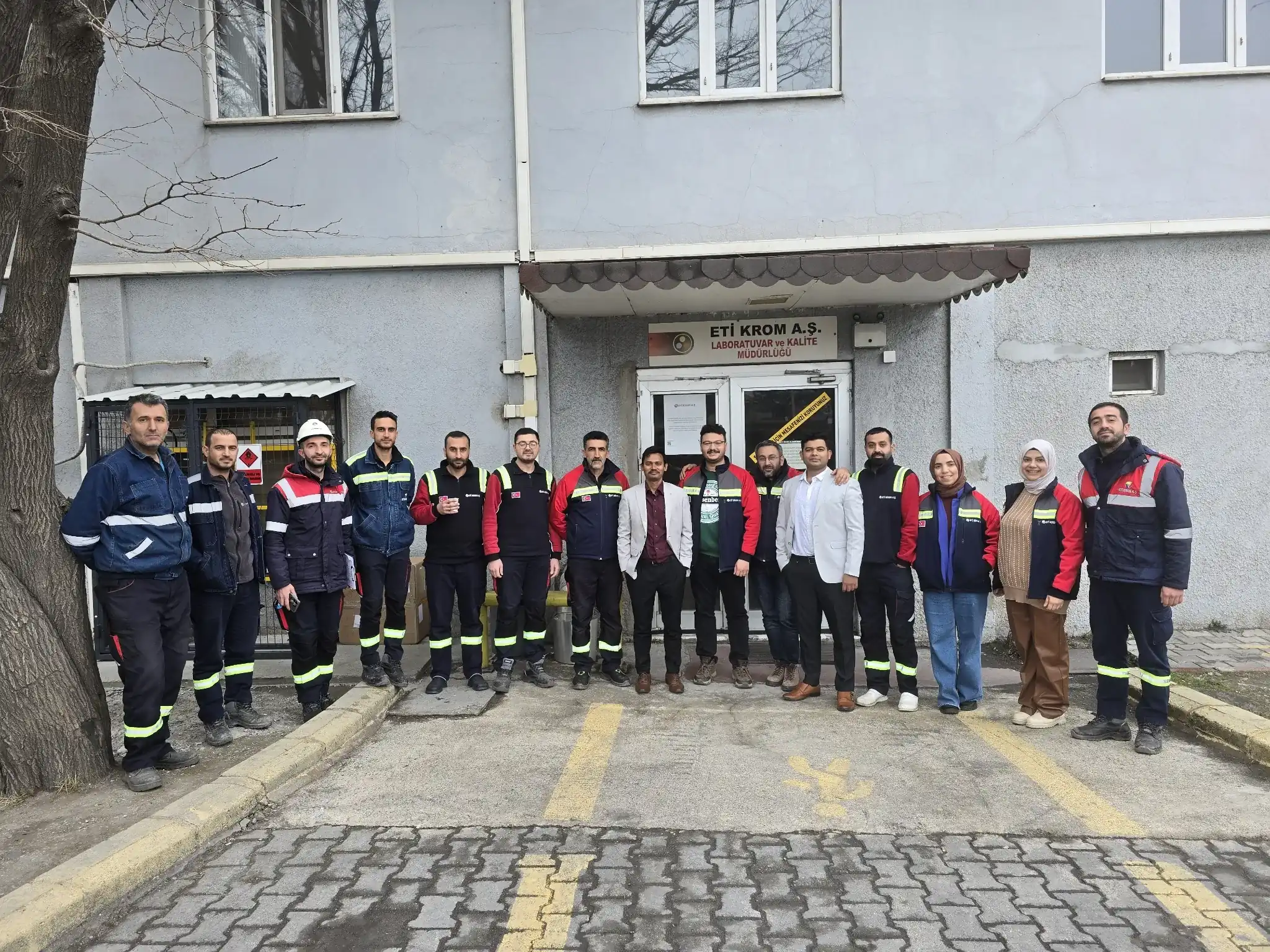
Turkey
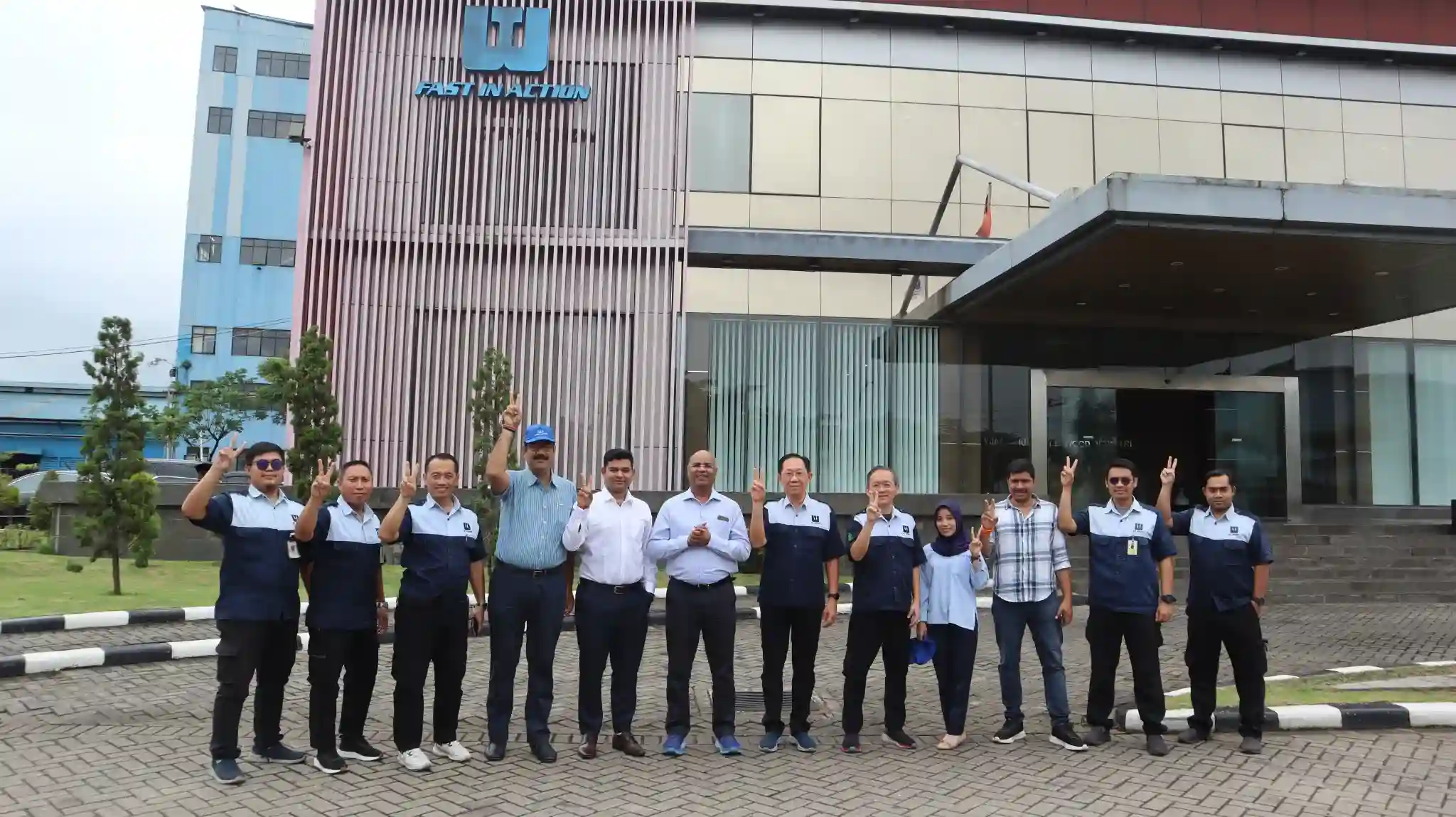
Indonesia
Indonesia
Thailand

Thailand

Thailand

Vietnam

Malaysia

Thailand
Korea

Thailand
Bangladesh
Malaysia
Thailand
Malaysia

Why Choose EVTL INDIA
Expertise in Indian Regulatory Standards
End-to-End Support
Trusted by Top Indian & Global Brands
Fast Processing & Transparent Pricing
Strong Liaison with Indian Authorities
Company Profile